
donate

Green Steps Projects

Pick a project that best suits the interests of your school and students!

Getting Started

Green Steps projects fall into three main categories—Restore, Conserve, and Protect—each reflecting a different way students can make a positive environmental impact.
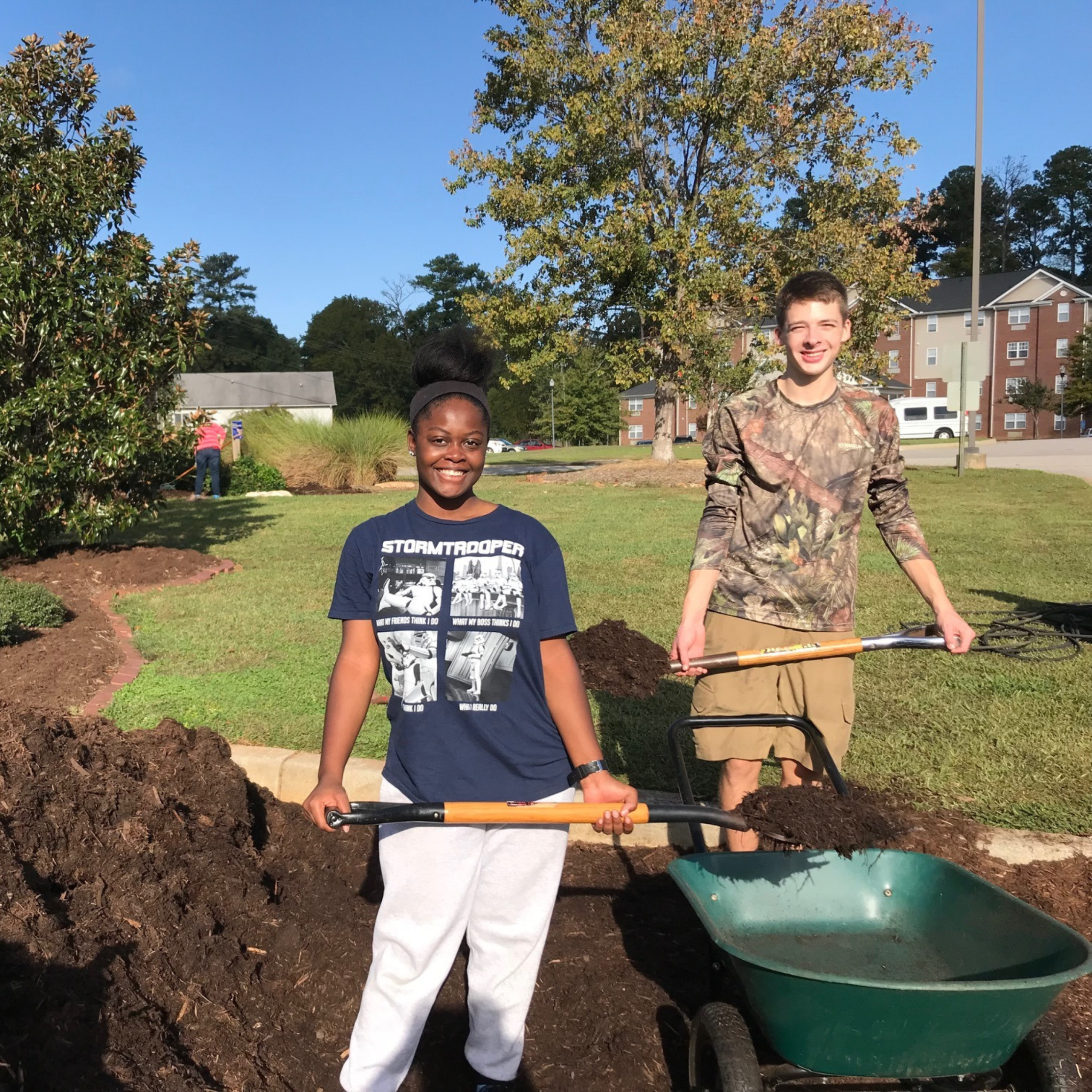
  • Restore projects focus on improving or revitalizing natural spaces, such as planting trees, creating pollinator gardens, or cleaning up local waterways.
  • Conserve projects emphasize reducing waste and resource use through actions like starting recycling or composting programs, reducing energy and water consumption, or promoting waste-free lunches.
  • Protect projects aim to safeguard wildlife and natural habitats by raising awareness, reducing pollution, or creating wildlife-friendly spaces.
Untitled design-12

Restore Projects

Restore projects focus on bringing natural areas back to health and beauty. These efforts might include planting native trees and shrubs around the schoolyard to create habitat, building pollinator or butterfly gardens to support bees and butterflies, removing invasive plants and replanting with native species, restoring eroded areas with native grasses, or organizing cleanups along creeks and wetlands to improve water quality and protect wildlife.

Select a project category:

Restore: Soil & Composting

Learn: Healthy soil means a healthy planet! Explore how your school can restore and protect this vital resource. 

  • Ask your mentor to lead a presentation on composting, erosion control, or soil health. 
  • Check out these learning tools:
Do: Dig into hands-on Soil Projects that build greener classrooms from the ground up.
  • Build Composting Bins – Use a Styrofoam cooler with ventilation holes and damp newspaper to create a red wiggler worm bin for your classroom. Or, build a garden compost bin from wooden pallets and zip ties—layering fruit scraps, paper towels, and fall leaves to get started!
  • Build and manage a garden compost or vermicomposting bin.
  • Design a project that prevents erosion around your school grounds.
  • Plant cover crops or other plants that naturally improve soil health.

Teach & Share: Tell others about soil stewardship.

  • Feature your compost or garden project on school news or social media.
  • Create posters or videos showing how composting or soil erosion works. 
  • Set up an education table or give a presentation at a community meeting.

Restore: Trees & Forests

Learn: Trees do so much for our planet—they clean the air, provide shade, protect wildlife, and make our communities more beautiful. 

  • Ask your mentor to lead a presentation on forestry and the importance of trees.
  • Check out these resources:

Do: We all needs trees! Find a forestry project for your students:

  • Plant a tree on school grounds to provide shade, reduce erosion, improve air quality, and create habitat for wildlife.
  • Celebrate Arbor Day or honor someone special in your school community with a memorial tree planting.

Teach & Share: Help others see the value of trees and forests. 

  • Feature your tree-planting on schools news and social media. 
  • Create digital content showing how trees benefit the environment. 
  • Give a presentation to local leaders about your project. 

Restore: Habitats & Gardens

Learn: Discover how small changes at school can make a big difference in saving energy!

  • Connect with your Green Step mentor for a presentation, then explore resources to discover how gardens support pollinators and local wildlife.
  • Find inspiration from:

Help students design and build a habitat garden that supports pollinators and native wildlife. Choose from ideas like:

Teach & Share: Encourage students to share their growing knowledge by:

  • Display projects on the school news or social media.
  • Hosting a garden tour or education table at a school event. 
  • Make a garden-themed educational bulletin board in one of your school's hallways!

Conserve Projects

Conserve projects emphasize using resources wisely and reducing waste. These projects might include starting schoolwide recycling or composting programs, setting up Share Tables in the cafeteria to reduce food waste, encouraging waste-free lunches, installing rain barrels to conserve water, switching to energy-efficient lighting, or creating classroom challenges to track and reduce energy use.

Select a project category:

Conserve: Energy

Learn: Discover how small changes at school can make a big difference in saving energy!

  • Ask your mentor to lead a presentation on energy conservation.
  • Explore these resources:

Do: Turn learning into action with hands-on projects: 

Teach & Share: Spread awareness about energy conservation.

  • Feature projects on the school news or social media.
  • Create posters or short videos with energy-saving tips. 
  • Run an education booth at a school or community event.

Conserve: Reuse

Learn: Give old materials new life!

  • Ask your mentor to lead a presentation on creative reuse. 
  • Explore these inspiring resources:

Do: Turn everyday items into new!

Teach & Share: Show off your students' creativity and inspire others.

  • Feature projects on the school news or social media.
  • Display posters or videos around campus.
  • Run an education booth at a school or community event.

Conserve: Reduce

Learn: Discover simple ways to reduce waste at school!

  • Invite your mentor to give a classroom presentation.
  • Explore resources like:

Do: Put your knowledge into action with a Reduce Project.

  • Tap and Stack: After lunch, students “tap” leftover food from disposable trays and stack them neatly, saving space in the trash and reducing waste.
  • Share Table: Students place unopened food or drinks on a designated table for others to take, cutting waste and helping feed hungry classmates.

Teach: Spread the word and share what you learned with others. 

  • Feature your project on school news or social media.
  • Create posters or short videos.
  • Host an information table at your next event.

Conserve: Recycle

Learn: Discover simple ways to reduce waste at school!

  • Kick off with a mentor-led presentation, then dive into these resources on recycling in schools:

Do: Put your knowledge into action with a Recycle Project.

Teach: Spread the word and share what you learned with others. 

  • Feature your project on school news or social media.
  • Create posters or short videos.
  • Host an information table at your next event.
  • Film and share inspirational videos!

Conserve: Green Purchasing

Learn: Discover how schools can make smarter, more sustainable buying choices.

Do: Watch your ideas come to life with a Green Project:

Teach: Spread the word and share what you learned with others. 

  • Feature your project on school news or social media.
  • Create posters or short videos that highlight sustainable shopping.
  • Host a green market or information table at your next school event.

Protect Projects

Protect projects aim to safeguard wildlife and natural habitats by raising awareness and reducing pollution. These efforts might include creating wildlife-friendly areas such as birdhouses or bat boxes, hosting school campaigns to reduce litter and plastic pollution, marking storm drains to remind the community that they lead to waterways, planting native vegetation to support local species, or organizing educational events about protecting endangered animals and habitats.

Select a project category:

Protect: Indoor Water Quality

Learn: Ask your mentor to do a presentation, then click on these links to learn more about growing classroom plants.

Do: Grow greener classrooms with student-led plant projects.

  • Propagate plants in reused plastic bottles and create self-watering planters.
  • Upcycle steel cafeteria cans into decorative pots with student-made labels.
  • Mix your own potting soil using store-bought soil, Perlite, and compost from your bins.
  • Hold an annual plant sale or gift plants to recognize growth and gratitude.
  • Start a “Green Cross Club” to revive struggling plants.
  • Rescue leftover poinsettias after the holidays for free classroom greenery.
Teach: Share what students learn about indoor air quality.
  • Feature your project on school news or social media.
  • Record short videos explaining plant benefits.
  • Feature your project on school news shows.

Protect: Outdoor Air Quality

Learn: Air quality can change daily based on weather, vehicle traffic, and even things like lawn equipment or nearby industries. Understanding what causes pollution helps students take meaningful steps to improve the air we all share.
  • Invite your mentor to give a presentation, then explore these resources to learn more about outdoor air quality and what affects it:

Do: Get students involved in clean air projects.

Teach: Share the importance of clean air with others!
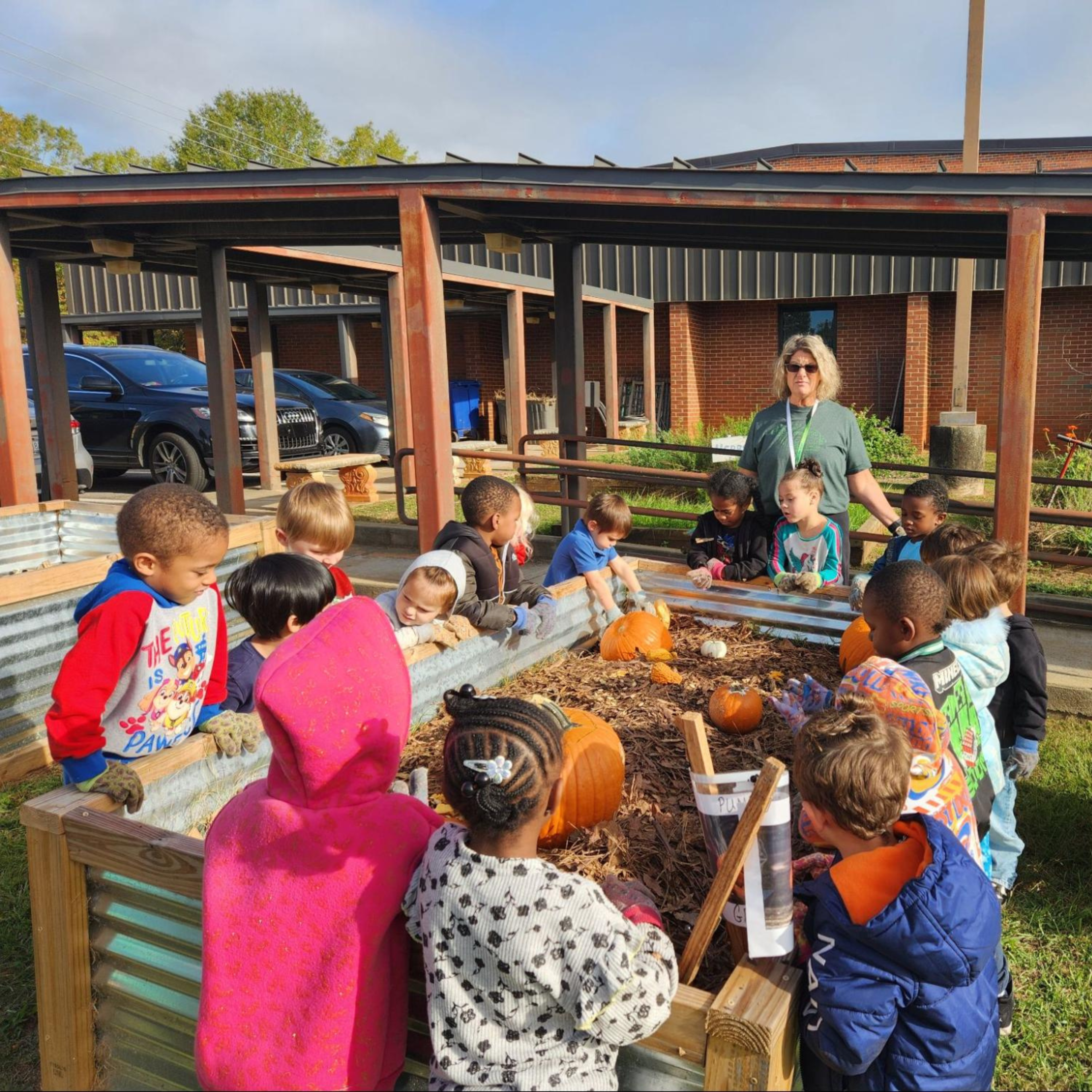
  • Report your findings on the school news or website.
  • Host an Air Awareness Week or student-led assembly.
  • Create posters or digital displays about clean air actions.

Protect: Water Quality

Learn: Discover how your students can become water protectors by learning where our water comes from, how it’s used, and how everyday actions make a difference.
  • Invite your mentor to give a presentation, then explore these resources to learn more about protecting and conserving water in your community:

Do: Get hands-on with water protection projects.

Teach: Spread the word and share what you learned with others. 

  • Report results on school news shows or social media.
  • Create posters and infographics about clean water habits.
  • Film educational videos or host a “Protect Our Water” event.

Protect: Litter Prevention

Learn: Learn how litter affects our environment and explore creative ways to keep South Carolina clean through student-led action.
  • Invite your mentor to give a presentation, then explore these resources to learn more about preventing litter in your school and community:

Do: Take action to stop litter where it starts.

Teach: Let everyone know how beautiful and worthy of protection our state is. 

Frequently Asked Questions

  • How much do projects cost? Most Green Step projects are free or low-cost, using repurposed or donated materials. For bigger ideas, check out our resource library or talk with your mentor about funding options.
  • Do I have to follow the project examples exactly? No — our project examples are meant to inspire, not restrict. Feel free to get creative and tailor your project to your school’s needs, as long as your mentor approves.
  • How much time does this take? Every school is different, so projects can be as simple or in-depth as your schedule allows. Green Steps was designed with flexibility for busy educators in mind.
  • How do we document our projects? Take clear photos or short videos showing students learning, doing, and teaching others. Add brief captions explaining what’s happening and upload everything to your assigned form. Your mentor can help with questions or troubleshooting.

Feeling Inspired Yet?

Connect with your mentor and take the first step to being the next Green Steps success story!
Contact gss@eeasc.org with any questions.